AMAZON
Inspirational Shopping
I joined the team working on Amazon Inspire and Shop By Interest—experimental experiences aimed at helping customers discover products they didn’t know they wanted. Amazon has millions of products, but search and category navigation only work when you know what you’re looking for. We were building a visual, feed-based shopping experience: discovery-driven browsing at scale. My role focused on the design system and interaction patterns that would power these experiences, and on making them findable—so customers could reach Inspirational Shopping and Shop By Interest without already knowing they existed.
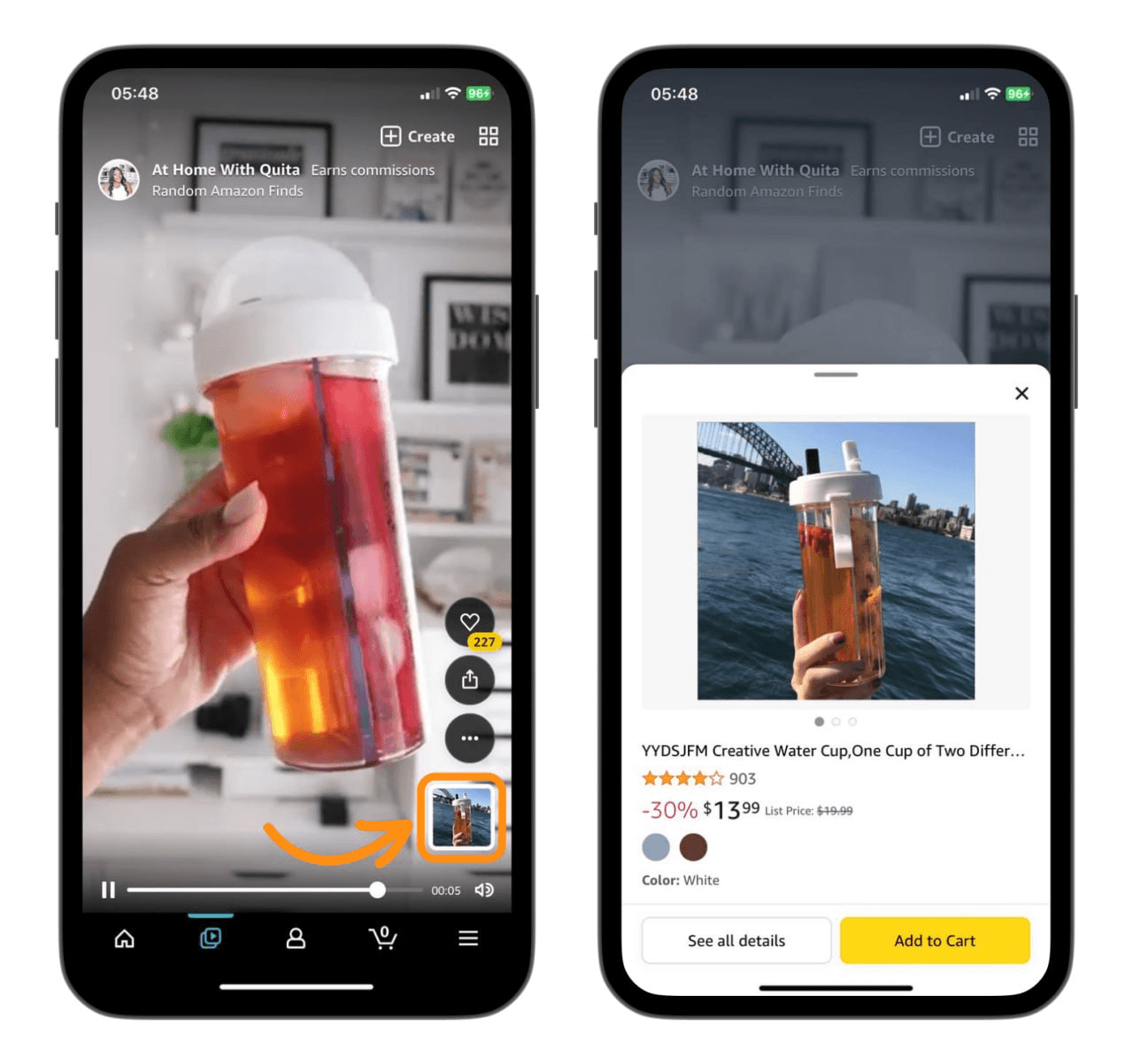
Inspirational Shopping
Inspirational Shopping is Amazon’s answer to discovery-first browsing. It helps customers find products through curated, community-driven content—a scroll-based feed that surfaces items by interests and trends instead of search alone. The work sat at the intersection of social-style feeds and e‑commerce: personalized inspiration, trending picks, and interest-based collections, all built to perform at Amazon’s scale and within its design language.
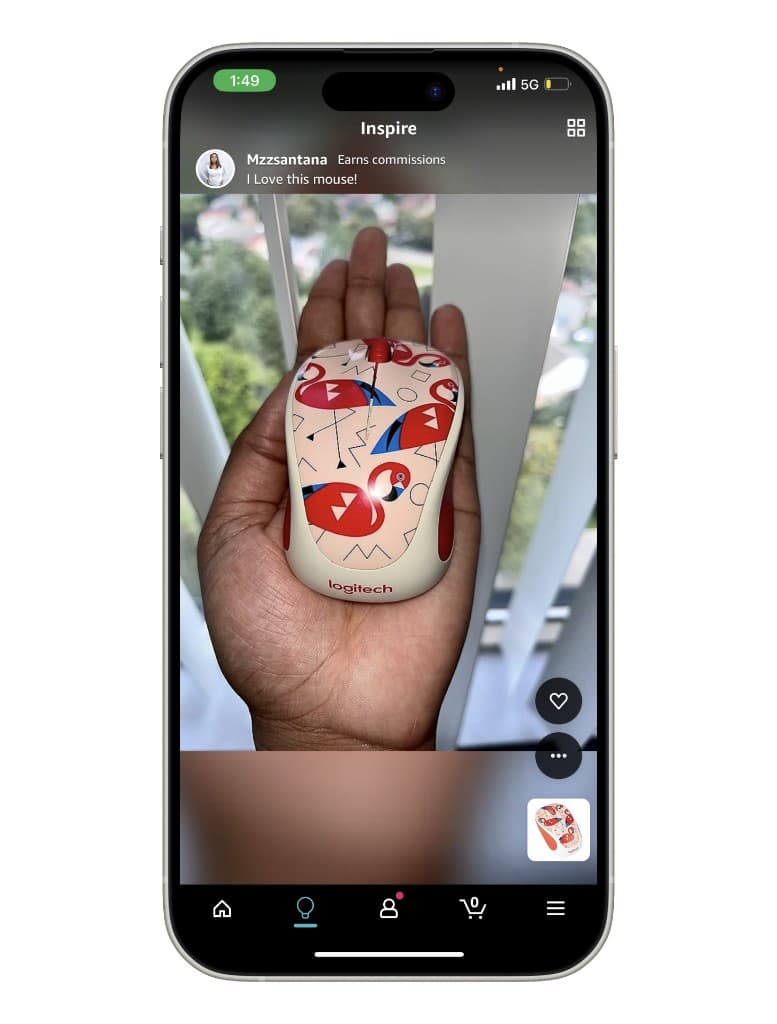
Inspire Tab
A dedicated surface for discovery: curated collections, trending picks, and personalized inspiration in a feed format. Customers can browse without a search query and still land on relevant products.
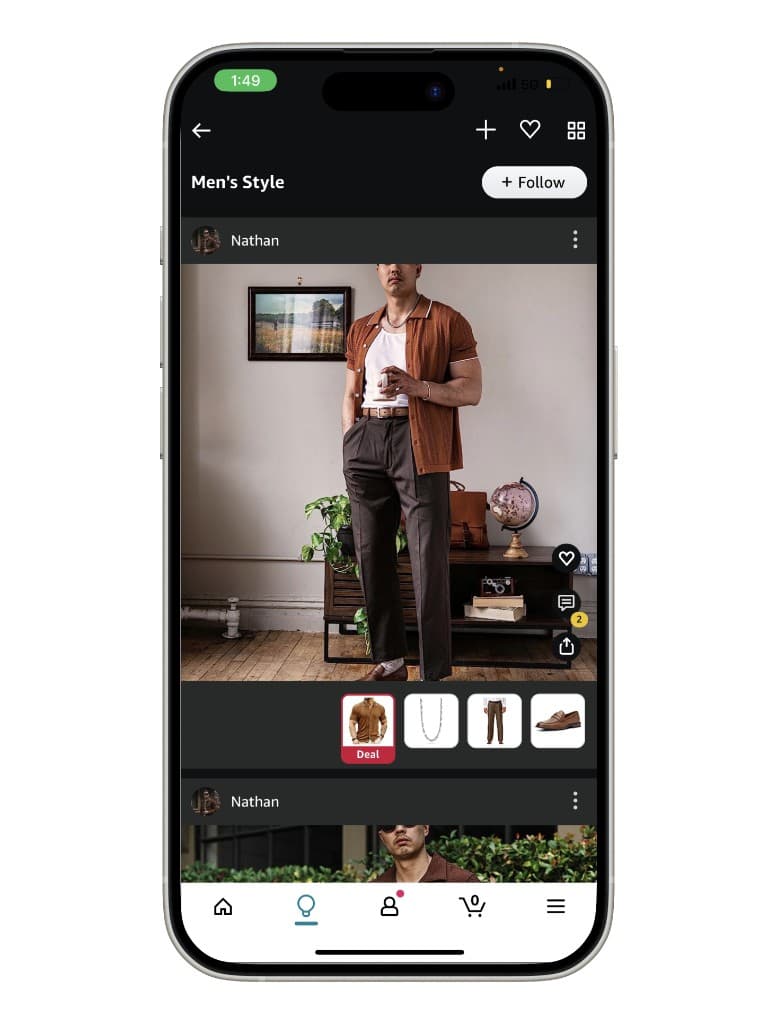
Shop By Interest
Interest-based browsing—explore by category, community picks, and themed collections in a scrollable experience. Content and products adapt to what users follow and engage with, so the feed stays relevant.
Results & Insights
Making Inspirational Shopping and Shop By Interest discoverable through templates drove meaningful gains in traffic and revenue. The work reached millions of customers and reinforced how important findability and consistent entry points are for discovery experiences at scale.
12%
Traffic increase
First week after launch — more users finding and entering the discovery experiences
20%
Revenue increase
After 2 weeks — discovery-driven browsing contributing to conversion
Problem Statement
Users have no way to locate the Inspirational Shopping and Shop By Interest Experiences without already knowing about them.
Before: The experiences lived in the product but lacked clear entry points in navigation and homepage. Discovery depended on existing awareness, limiting reach and engagement.
Solution — Templates
We introduced a template-based solution for navigation and placement: reusable widget templates that could surface Inspirational Shopping and Shop By Interest from the homepage, search, and key entry points—giving users a clear path to discovery without prior knowledge. The templates lived in our shared component library so multiple teams could adopt them without reinventing placement or hierarchy.
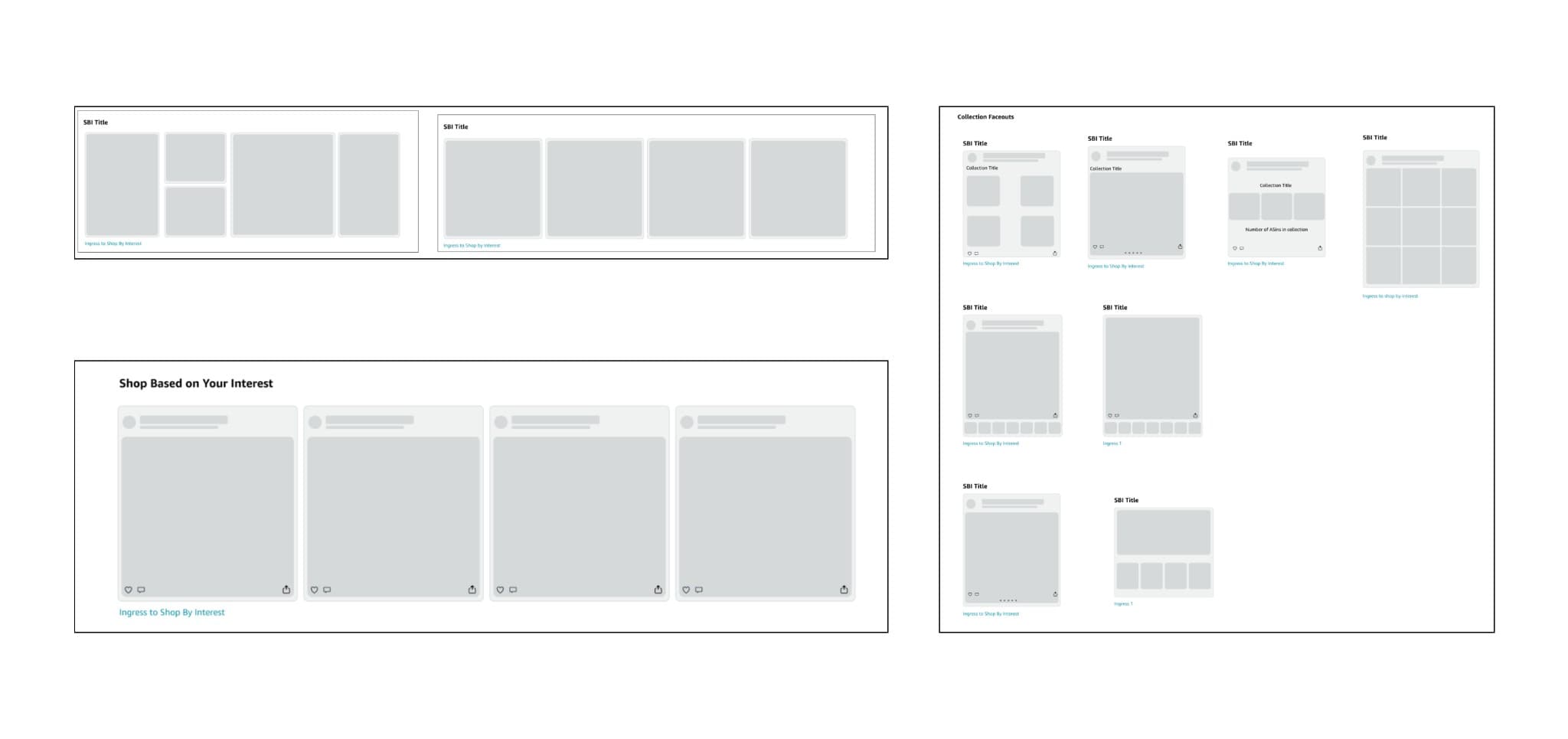
Design Work Showcase
Homepage widgets, search features, and explorations
I contributed to component libraries that needed to scale across categories while staying consistent with Amazon’s design language. Below is a summary of the main widget and feature areas: homepage placement, search integration, and prelaunch explorations.
A. Homepage Widgets
- •Collections Hero Card Widget — Hero placement for featured collections
- •3×3 Grid Widget — Nine ingress points for Inspirational Shopping and Shop By Interest
- •2×3 Grid Widget — Six ingress points with clear hierarchy
1 / 3 — Collections Hero Card Widget — hero placement for featured collections
B. Search Features
- •SBI Search — Shop By Interest search section
- •Search Collections — Multiple widget variations for collection discovery
- •Content Search Widget — Multiple ingress points for content search
- •Sparkle — Feature highlight for discovery moments
1 / 6 — SBI Search — surfacing interests and inspiration on the search page
C. Explorations
- •Prelaunch exploration designs
- •Search Bar Widget Explorations
- •SBI Tile Ingress
- •SBI Inspiration For You
1 / 3 — Prelaunch exploration designs
Research
Beta Testing
We ran beta tests to validate the template placements and discovery paths before full rollout. Without a dedicated research team, we relied on instrumentation, engagement data, and cross-functional feedback—testing where users entered the experiences, how far they scrolled, and how placement affected downstream conversion.
Testing parameters: 10,000–100,000 users per test cohort to ensure statistical significance and representative behavior across segments.
Challenges
Working with cross-functional teams
Aligning product, engineering, and design across a large org required clear communication, documentation, and flexible component APIs so multiple teams could ship consistently.
Simplifying ideas
Distilling complex discovery experiences into simple, scalable templates—without losing the richness of Inspirational Shopping and Shop By Interest—was an ongoing design challenge.
Working with no research team
We relied on data, beta feedback, and cross-team input to validate decisions when a dedicated research team wasn’t available—emphasizing instrumentation and clear success metrics.
Thank you for your time